How we think
Grow love.
A plant cannot walk away from a bad spot. It lives or dies by the place we put it in: the soil around its roots, the water, the light, the air. So that is where we put our effort. Get the habitat right and the plant does the rest. Everything on this page follows from that.

Chapter one
It starts with the soil.
Dig a hole in a Klang Valley garden and you will learn more in five minutes than a plant catalogue can tell you in an hour.
What is actually down there
Malaysia is green, so people assume the soil is rich. Mostly it is not. Our soils are old and heavily weathered. Warmth and rain have been washing nutrients out of them for a very long time. What is left is often acidic, low in organic matter and poor at holding on to fertiliser. The rainforest gets away with it because the forest feeds itself: leaves fall, rot fast in the heat, and are taken straight back up by the roots. The richness is in that thin living layer on top. Scrape it off and there is not much underneath.
A building site scrapes it off.
In a typical new housing estate the land has been cut, filled and levelled by machines. The topsoil went first. What you are given back is subsoil: heavy clay, or red laterite, packed hard by lorries and excavators. Along the back fence and beside the house there is usually a layer of builders’ leftovers under the turf. Broken brick, sand, lumps of mortar, cement wash that pushes the pH the wrong way for most garden plants. Over it goes a few inches of lorry topsoil from who knows where, then carpet grass, then the keys are handed over.
What the rain does to it
Then it rains the way it rains here. An afternoon storm can drop an enormous amount of water in under an hour. On open, crumbly soil most of that soaks in. On compacted clay it cannot. It runs off the surface and takes the good stuff with it, or it sits. A planting hole dug into clay and filled with nice soft soil behaves like a bucket. Water runs in and does not run out. The roots sit in it, run out of air and rot. The plant wilts, the owner sees a wilting plant and waters it, and that is the end.
More garden plants in Malaysia die of wet feet than of thirst.
In a dry spell the same clay does the opposite. It bakes, shrinks and cracks, and water poured on top runs down the cracks and away. Too wet, then too dry, and hard as a car park in between. Roots cannot do much with that.
What good soil looks like
Good soil is about half solid and half space. The spaces hold air and water in turn. It smells sweet and earthy, like a forest floor after rain. It falls apart in your hand into crumbs. If you look closely things are moving in it.
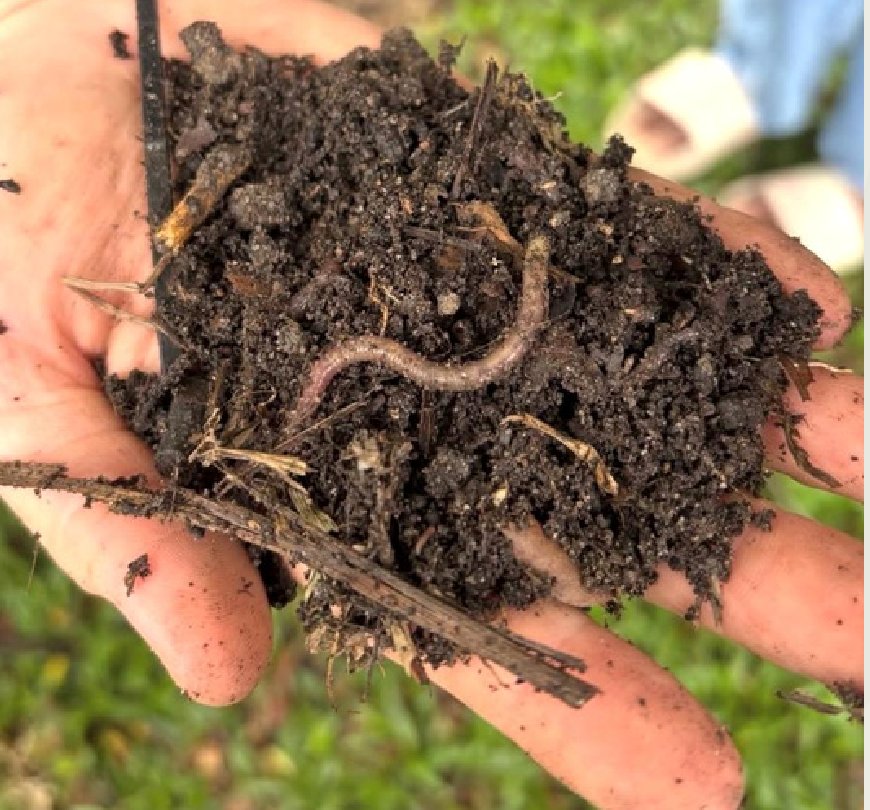
That crumb structure is built by life. Fungi, bacteria, tiny insects and above all worms pull organic matter down, digest it and glue soil particles into crumbs with channels between them. Water drains through the channels. Air follows it down. Roots follow the air. You cannot get this from a bag of fertiliser. Fertiliser feeds the plant for a few weeks. Organic matter feeds the soil, and the soil feeds the plant for years.
In our climate organic matter also burns away quickly. Heat and moisture speed up everything, including decay. Compost that would last years in a cool country can be gone in one here. So soil care in Malaysia is never done once. It is topped up, mulched and fed for the life of the garden.
What we do about it
We look first. Where the water goes in a storm. How hard the ground is and how deep. What colour it is, what it smells like, what is buried in it.
Then we fix what we find, in this order. Drainage, because nothing else works until the water has somewhere to go. Compaction, because roots need air. Then organic matter and life, worked into the whole bed, not only the planting hole, so roots have a reason to travel.
Why we make our own
This is where our products came from. We wanted things we could not reliably buy, so we started making them.
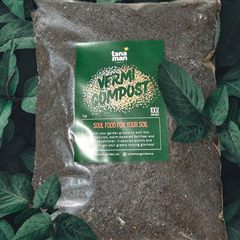 Vermi Compost is worm compost, the finished work of thousands of worms. It is 100% organic. We call it soul food for your soil, because that is the point of it.
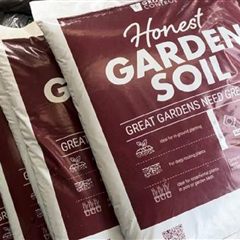 Honest Garden Soil is bagged garden soil with a name that tells you how we feel about lorry topsoil. You should be able to know what you are planting into.
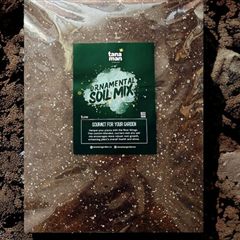 Ornamental Soil Mix is our blend for ornamental plants in pots and planters. More on that in the next chapter.
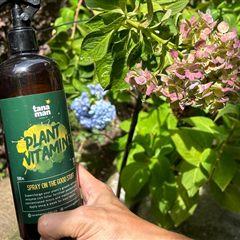 Plant Vitamin is a foliar spray, used weekly. Think of it as the supplement. Soil is still the meal.
Chapter two
The mix.
Ask a good cook for the recipe and you get a look. Then you get a long answer, and none of it is quantities.
It is the same with growing media. There is no such thing as “good soil” in general, any more than there is “good food” in general. Good for what? A mix is a recipe written for one kind of root in one kind of place. We blend ours by hand and we change them when the plant or the site changes.
We are not going to publish ratios. They move with the season, the supplier and the job, and a ratio copied without understanding is how people end up with a very expensive dead plant. What we can tell you is how we think about it.
The pantry
Every mix is an argument between four things: how much water it holds, how fast it drains, how much air stays in it when wet, and how much food it carries. The ingredients each pull in a different direction. Coarse, chunky materials open a mix up and let roots breathe. Fine, spongy ones hold moisture. Gritty ones add drainage and weight, which you sometimes want and sometimes badly don’t. Composts bring food and life.
For aroidsAir
Monsteras, philodendrons, alocasias, anthuriums. In the wild many of them climb trees or scramble over the forest floor with their roots in leaf litter and bark, not in dense earth. Those thick roots want air as much as water. Put them in heavy garden soil in a pot and they sulk, yellow and rot. So the aroid mix is chunky and open. Water should run straight through it and out of the bottom, leaving everything damp and nothing soggy. If you squeeze a handful it should spring back, not clump.
For lawnsA level, draining bed
Grass is the plant everyone has and nobody thinks about. A lawn fails from below. Turf laid straight on compacted clay will be patchy and mossy in the shade and waterlogged after every storm, and no amount of fertiliser will fix it. Lawn wants a sandy, free-draining layer under it, properly levelled so water moves off and does not pond, with just enough organic matter to hold some moisture between rains. It is closer to building a road base than making a flower bed. It is dull work and it is the whole difference.
For edible bedsA rich pot, refilled
Vegetables and herbs are hungry and fast. A chilli plant or a bed of kangkung takes more out of the soil in three months than a shrub does in three years. So the edible mix is rich. Plenty of compost and worm castings, moisture-holding but never stagnant, deep enough for roots to go down. And it is never finished. Every harvest takes something away, and in our heat the compost is burning off anyway. We top up and feed the bed after each crop, the way you would refill a pot you keep eating from. Since you are going to eat what grows in it, we also care a great deal about what goes into it.
For rooftop plantersLight, and quick on its feet
A rooftop changes the question. On the ground, soil can be as heavy as it likes. On a roof, every planter is a load on the structure, and soil is at its heaviest when soaked after a storm. So the mix has to be light. It also has to drain fast, because a planter that holds water turns into a pond, and a pond on a roof is a problem for more than the plants. Then comes the hard part. Up there the sun is unbroken, the wind never quite stops, and heat comes off the concrete from below. A planter can dry out in an afternoon. So the same mix that drains fast and weighs little also has to hang on to enough moisture to get through the day. Getting those three to agree is the most interesting mix problem we know. It is the daily reality of a rooftop food garden.
For indoor and rental plantsClean, even, forgiving
An office plant lives a strange life. Cool, dry air-conditioned air. Light that is a fraction of what the plant would get outdoors, even next to a window. No rain. Because growth is slow and evaporation is low, the pot stays wet far longer than people expect, which is why most indoor plants are killed by kind colleagues with watering cans. The indoor mix is built to dry evenly and not stay soggy at the bottom. It is also clean. No smell, nothing that breeds fungus gnats, nothing that leaks brown water on to a marble lobby floor. Indoors, the mix has to behave itself as well as grow the plant.
One rule for all of them
Whatever the recipe, we mix for the roots, not the leaves. Leaves are where you see the result. Roots are where it is decided.
Chapter three
Designed to be easy to keep.
A garden that is hard to look after will not be looked after. It is better to admit that at the drawing stage than to discover it in year two.
We maintain gardens as well as design them. Homes, condominium grounds, commercial buildings. So we know where the hours go. They go on cutting back plants that were always going to be too big, weeding bare soil, dragging hoses, fishing leaves out of pools, and replacing things that were put in the wrong place. Nearly all of that can be designed out. These are the rules we design by.
Drainage first
Before anything is planted we want to know where the water goes in a proper downpour. Where it arrives from, where it sits, how it leaves. Levels, falls, outlets and subsoil drains are decided before plants, because every other decision depends on them, and because it is the one thing that is miserable to fix afterwards.
Right plant, right place
It sounds obvious and it is the most broken rule in the trade. Sun and shade are the start. A bed against a west-facing wall takes the full afternoon sun plus the heat thrown back by the wall. A condominium podium deck adds wind, which funnels between towers, shreds big soft leaves and dries pots in hours. Under a deep porch there may be no direct sun at all. We choose plants that want the conditions the spot really has. A plant in the right place needs very little from anyone.
Group by thirst
Plants that want the same amount of water go together, on the same tap or irrigation line. Mix a thirsty fern with a dry-loving succulent in one bed and whoever holds the hose must drown one or parch the other. Grouped properly, watering becomes simple enough to hand to anyone.
Fewer species, used well
A garden with forty kinds of plant has forty sets of needs, forty pruning habits and forty ways to look untidy. A garden built from eight or ten reliable plants, repeated in generous groups, looks calmer and more deliberate. It is also far easier to keep, because the crew learns those plants properly and one care routine covers a whole sweep of planting.
Plan for the grown-up size
Nursery plants are babies. The small palm in the bag wants to be six metres tall. The neat shrub by the path wants to be two metres across. We space and place for the size a plant will reach, so nothing has to be hacked back every month to keep a path open, a window clear or a gutter free. If a plant only fits when it is constantly cut, it is the wrong plant. The garden looks a little young on day one. That is the price of it looking right for the next ten years.
No bare soil
Bare soil in the tropics is an invitation. Weeds take it within weeks, the sun bakes it and the rain washes it on to the paving. We cover it. Dense ground covers where they suit, a good thick layer of mulch elsewhere. Mulch keeps roots cool, holds moisture, stops rain splashing soil on to leaves and walls, and slowly breaks down into food for the soil. It is the cheapest labour-saving device in gardening.
Edges that hold
Grass wants to be in the flower bed. It gets there along the edge, a few centimetres a month, and someone spends the rest of their life pulling it out of the shrubs. A proper physical edge between lawn and planting stops that. A flush mowing strip also lets the mower run right up to the line, so nobody has to come back with a strimmer.
Let the crew in
Someone has to reach the back of that deep border to prune, feed and clear. If the only way in is over the front-row plants, they get trampled every visit. We build in stepping stones, service paths behind hedges, gates wide enough for a wheelbarrow, and hedges kept to a height that can be trimmed from the ground. A garden the tukang kebun can move through easily gets better care in less time. On a condominium, that is money every month.
Water where you need it
A tap within a hose’s length of every bed. It sounds too small to mention until you watch someone haul fifty metres of hose across a pool deck twice a week. Where irrigation makes sense we plan the points and the zones with the planting, not after it, so thirsty beds and dry beds are on separate lines.
Mind the pool, the drains and the neighbours
Some plants are lovely and should still be kept well away from certain places. Anything that sheds fine leaves, flowers or fruit all day does not belong beside a swimming pool or over a car porch. Trees with strong, searching roots do not belong beside drains, pipes or paving. Spreading plants that travel underground do not belong in an open bed next to a neighbour’s fence. Very thirsty plants do not belong in a garden whose owner travels. There is nearly always a well-behaved plant that gives the same look.
Design the care with the garden
The maintenance plan is part of the design, not an afterthought. While we are choosing plants we are already working out who will look after them, how often, with what, and what it will cost. If the honest answer is “more than this client will want to do”, we change the design. Every garden we hand over comes with a clear picture of what it needs through the year.
What it adds up to
A garden designed this way asks for a little steady care and no heroics. It costs less to keep, year after year. It looks good on an ordinary day, not only after the crew has just been. For a homeowner that means weekends back. For a building, it shows up in the maintenance budget.
Talk to us about your garden Managing a building? See For Business
Chapter four
Everything is connected.
A garden is a habitat whether we plan it that way or not. Soil organisms feed the roots. Flowers feed bees, butterflies and sunbirds, and the bees go on to help set fruit on the chillies and the limes. Leaf litter shelters the insects that feed the frogs and the geckos. The frogs and geckos eat a good share of the mosquitoes and pests. Pull one thread and the others move.
The frog test
When a frog turns up in a garden by itself, we take it as a very good sign. Frogs breathe and drink through their skin, so they cannot put up with a place that is dry, bare or heavily sprayed. A frog in the garden means there is cover, moisture, insects to eat and not too much poison about. No one can fake that for a photograph.
Going easy
This is why we are slow to reach for strong chemicals and quick to fix the cause instead. A plant that keeps getting pests is usually a stressed plant in the wrong spot or in poor soil. Put the habitat right and most of the trouble fades. It is also why we like worm compost, mulch and living soil better than quick fixes. They build the whole system up and knock nothing out.
Water in the garden
Even a small bowl of still, clean water changes a garden. Birds come to drink. Dragonflies appear from nowhere. With a few small fish in it to eat mosquito larvae, a pond is a working part of the garden and not a nuisance.
Why it matters to us
Our company vision says that people’s well-being is tied to their relationship with nature. We believe that in a practical way. A garden with some life in it is more interesting to sit in, easier to keep healthy, and better for the children who grow up beside it. That is what we try to build. Plants are only one part of it.